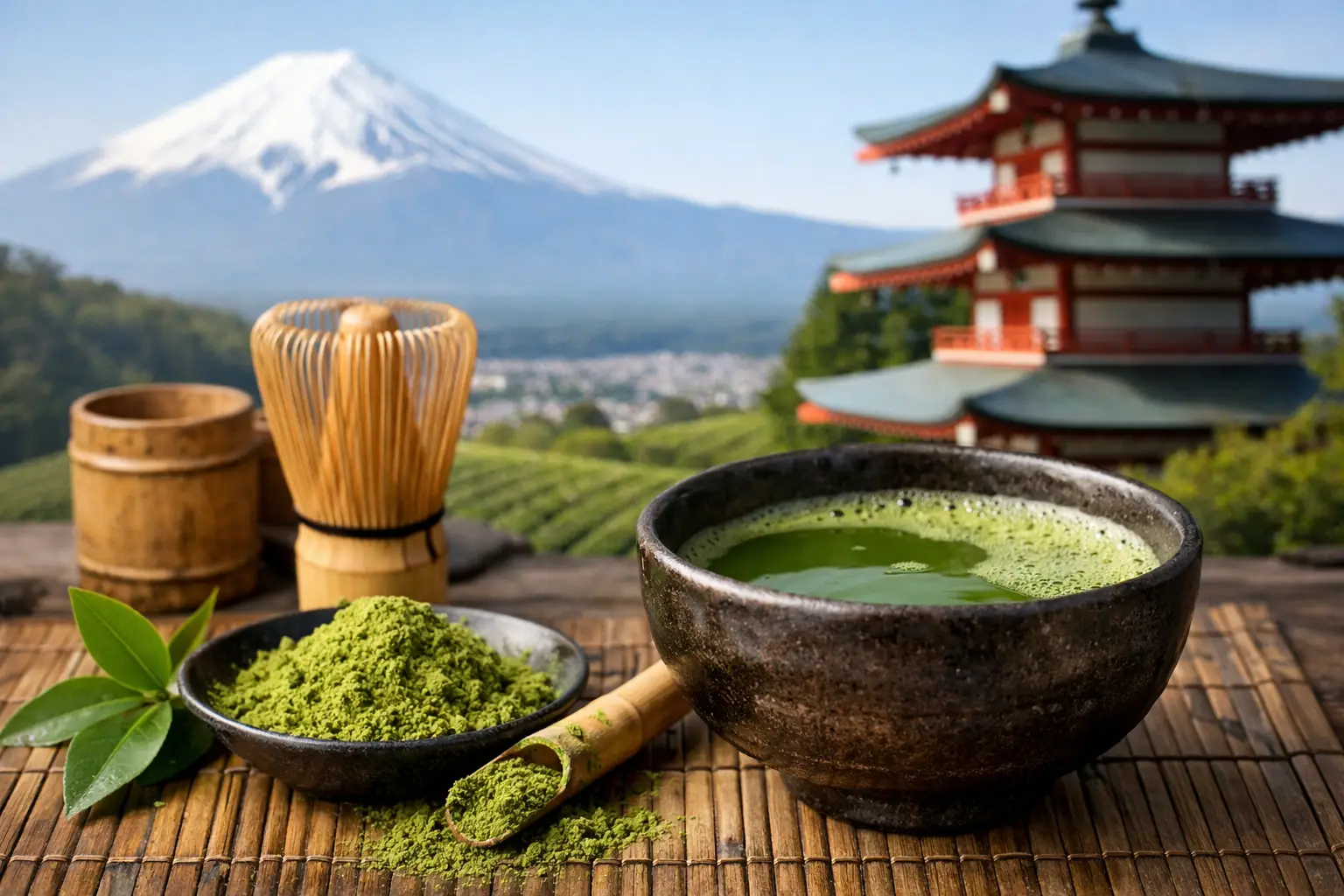
Matcha is a nutrient-rich green tea made by grinding whole, dried tea leaves into a fine powder. This process ensures that all the valuable nutrients from the leaves are preserved. When matcha powder is mixed with hot water, it creates a flavorful green beverage that captures the full essence of green tea.
This differs significantly from regular brewed tea, in which only some of the leaves’ nutrients dissolve into the drink, and the rest are wasted when the leaves are discarded after use. With matcha, the tea leaves are not wasted; instead, the drinker gets to enjoy them in their entirety.
Carefully Cultivated
Matcha tea is made from tea bushes that are carefully shielded from the sun for several weeks before harvesting. The shade causes the bush to produce more amino acids and chlorophyll in its leaves. This makes the leaves noticeably sweeter and more aromatic than ordinary tea leaves, giving them a delicious flavor even when ground. The tea leaves are traditionally harvested by hand. Before grinding, the leaves are dried in a place protected from light, and the leaf veins and stems are removed. The remaining leaves are ground into a very fine matcha powder using stones.
A wide variety of vitamins
Boosts immunity
In matcha tea, virtually all the nutrients in the tea leaves are utilized, since the leaves are fully blended into the tea. That’s why a single cup of matcha tea can contain up to 10 times the amount of antioxidants and other important nutrients compared to regular green tea.
Matcha is rich in vitamins C and K, L-theanine, and valuable catechins and other flavonoids, among other things. One of these is the EGCG catechin, which is believed to have metabolism-boosting and cholesterol-lowering effects.
Matcha tea is also said to boost the immune system and maintain the drinker’s alertness much more consistently than coffee.
A Long History of Japanese Tradition
Matcha tea has centuries-old traditions in Japan and has played an important role in tea ceremonies. The method of preparing matcha powder was originally brought to Japan from China by Zen Buddhist monks in the 12th century and had a significant impact on the development of the country’s tea culture. High-quality matcha powder is always used in Japanese tea ceremonies. Carefully whisking the powder into a tea beverage is an important part of the ceremony.
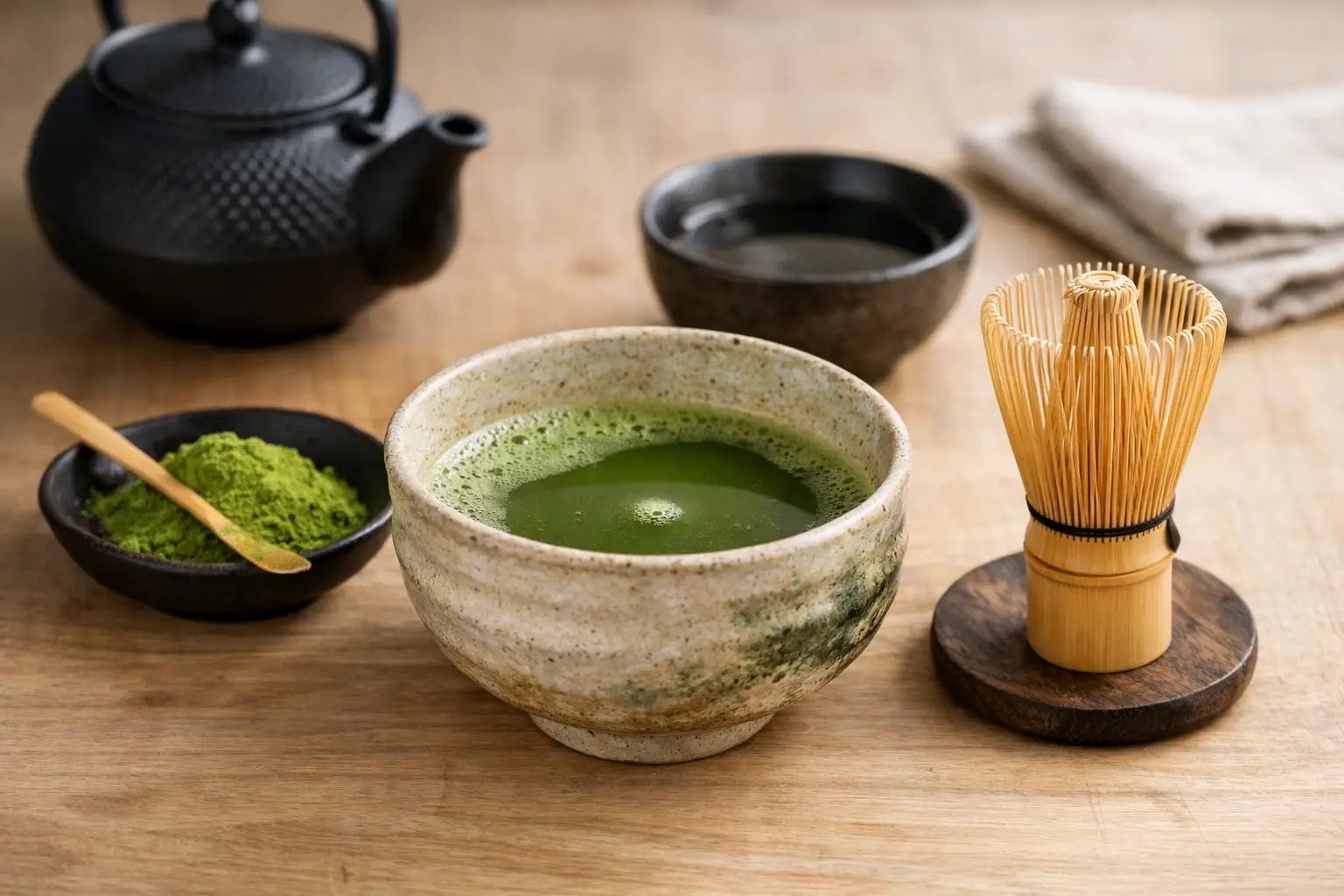
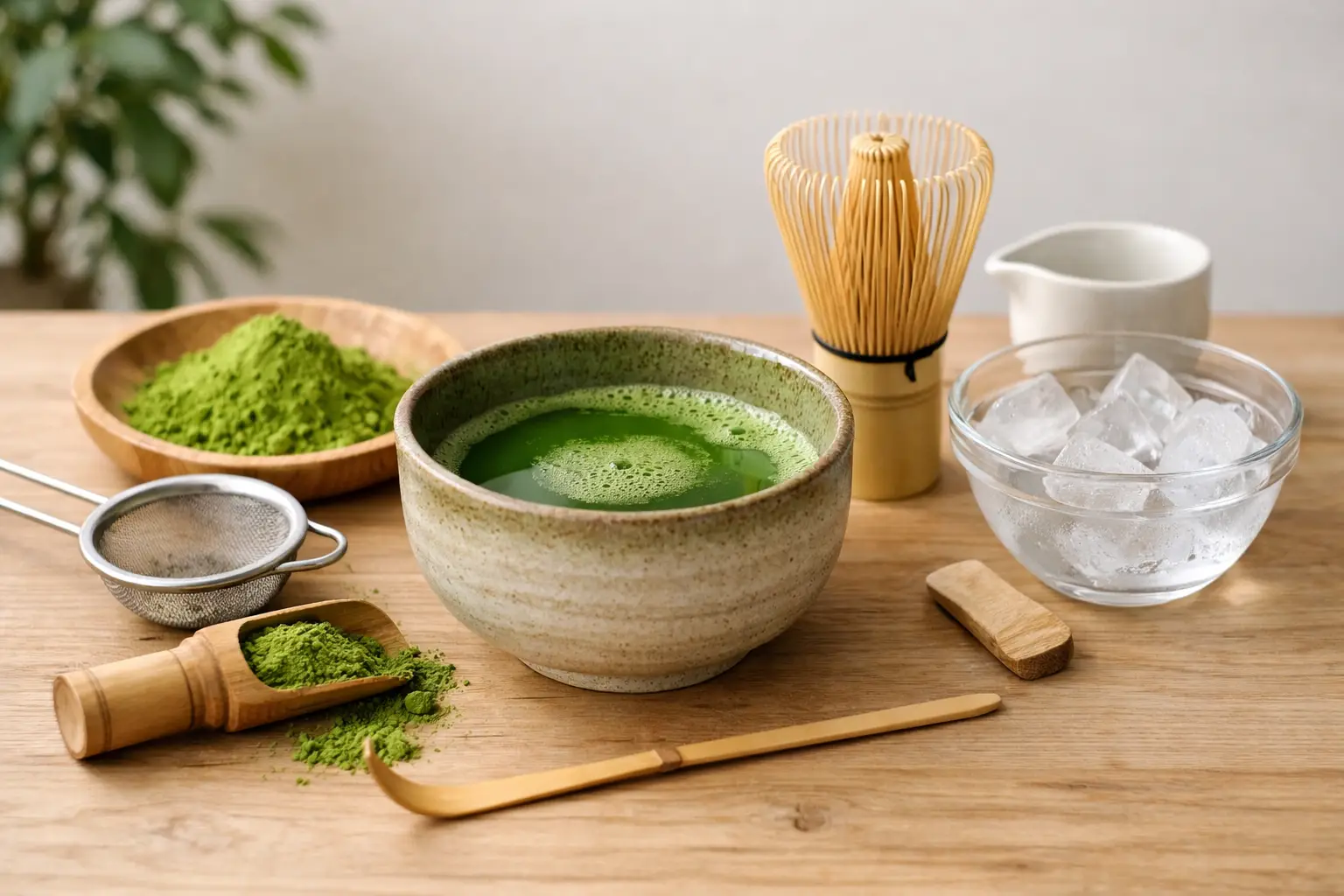
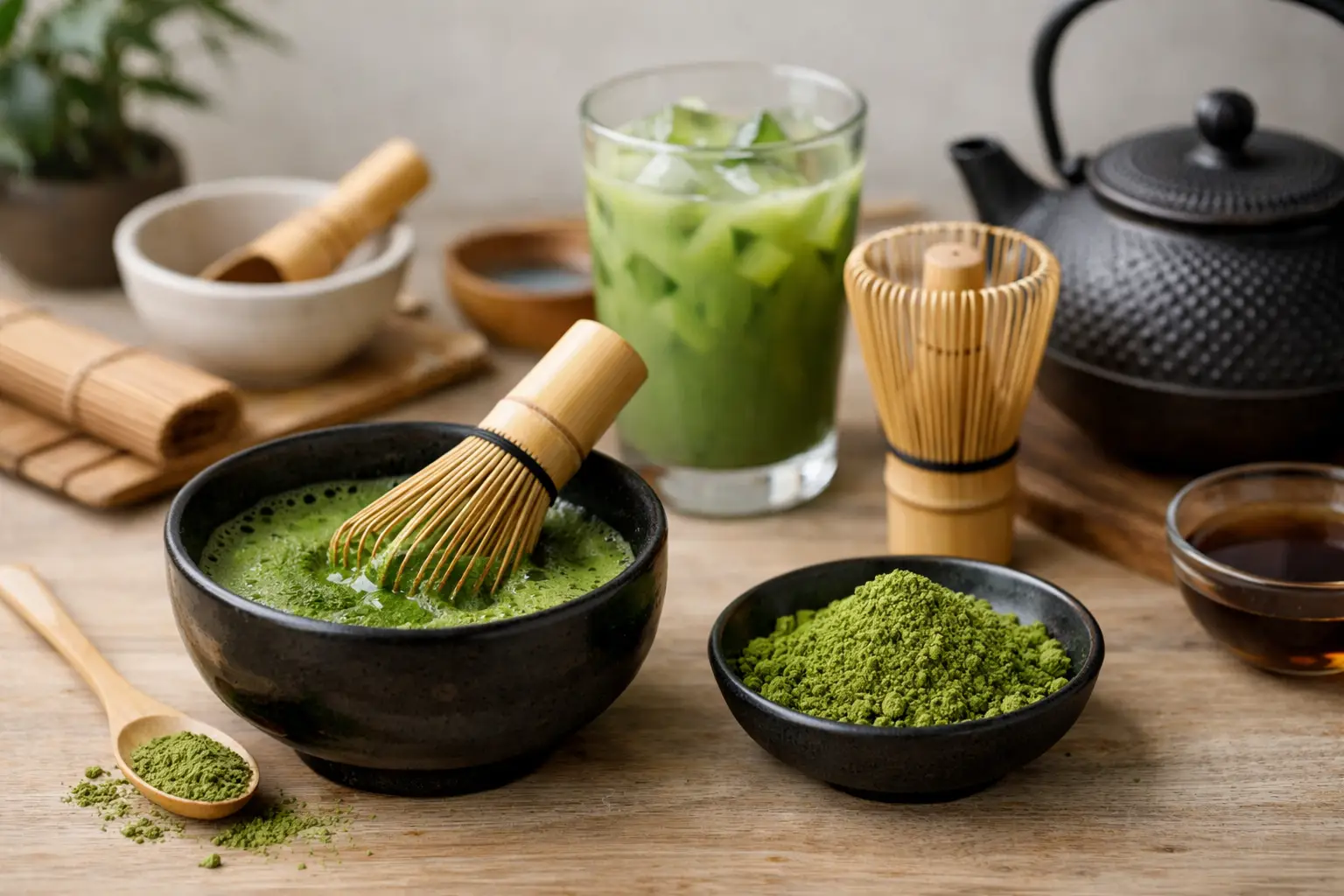
To make matcha tea, you’ll need a sufficiently large container, such as a bowl or cup, and a bamboo matcha whisk, or chasen. Measure the desired amount of matcha powder into the bowl—for example, 0.5–1 teaspoon.
If you like, you can add a small amount of cold water to the matcha powder and mix it into a thick paste.
Next, bring a cup of water to a boil and pour it into the bowl.
Use the bamboo whisk to stir the matcha into the water with quick but gentle strokes. Stir for about 30–60 seconds, or until the drink is covered with a layer of foam. Your matcha tea is now ready to enjoy!
Tea is meant to be enjoyed
Above all, preparing and drinking matcha tea is an experience and a wonderful way to relax. Put your everyday worries aside for a moment, brew yourself a soothing cup of matcha, and sit back to enjoy its rich flavor and invigorating effects.